Easy Spring Pasta for Busy Weeknights
- Rao

- Mar 15
- 9 min read
Updated: May 13

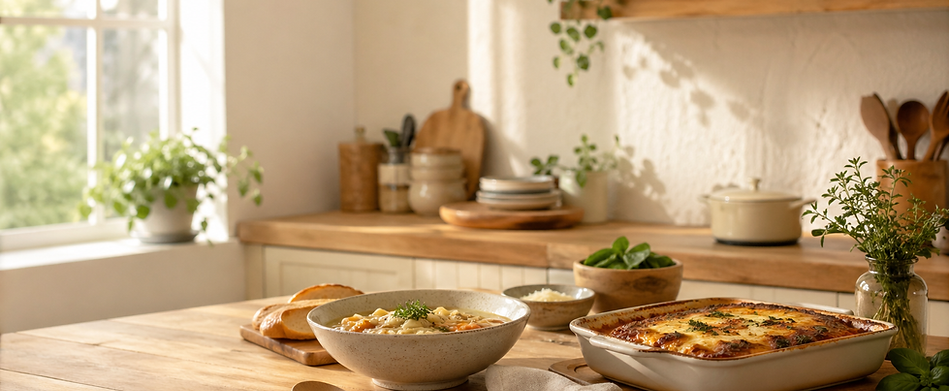
There's a specific kind of tired that hits on a Tuesday evening in May. The days are longer now, which sounds like a good thing, but it also means the kids are wound up later, work bled into dinner prep, and somehow it's 6:45 PM and no one has been fed. This is the night I make this pasta.
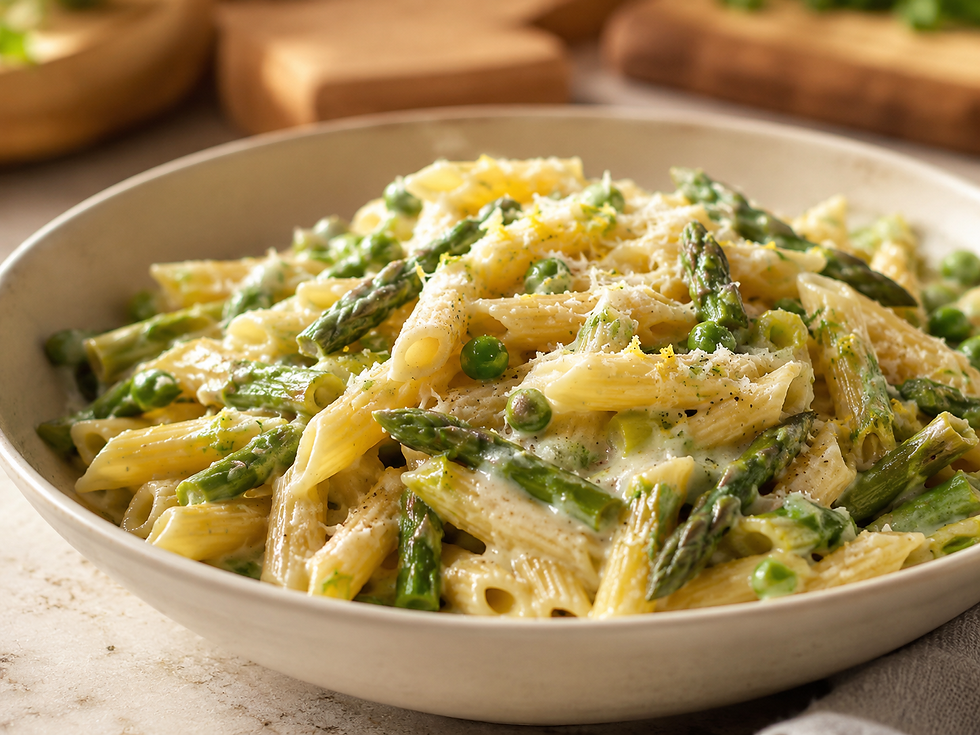
It's light, it's bright, it's a little lemony, and it tastes like spring without trying too hard. A pound of pasta, a handful of seasonal vegetables, a glug of olive oil, some garlic, lemon, and parmesan. That's the whole thing. Thirty minutes from "what are we eating" to actually eating.
What I love about this recipe is that it doesn't feel like a survival dinner even though it is one. The asparagus and peas make it look like you planned something. The lemon brightens everything, so it doesn't feel heavy at the end of a long day. And it's all made in basically one pot, which means cleanup is approximately five minutes total.
If you've been craving something fresh after a winter of soups and casseroles, this is exactly what your week needs. It works, I promise.

Why This Recipe Actually Works for Busy Moms
30 minutes start to finish: Pasta cooks while you prep the veggies. By the time the timer goes off, dinner is essentially done.
One pot, one skillet: The pasta pot and one skillet. That's the whole mess. Cleanup is barely a thing.
Uses what's in season: Asparagus, peas, and lemon are at their cheapest and best in spring. The recipe is built around what's actually fresh right now.
Light but filling: Pasta is satisfying without being heavy. You won't feel like you need to nap right after.
Family-friendly: Kids love pasta. Add some grated cheese on top, and you've sold it.
Endlessly flexible: Whatever vegetables are in your fridge will work. This is more of a method than a strict recipe.
Ingredients You'll Need
Nothing fancy here, just simple ingredients that work hard.
For the Pasta:
1 pound short pasta (penne, rigatoni, or fusilli all work beautifully)
1 bunch asparagus (about 1 pound), tough ends snapped off, cut into 1-inch pieces
1 cup frozen peas (no need to thaw)
3 tablespoons olive oil
4 cloves garlic, thinly sliced
1/2 teaspoon red pepper flakes (optional, but adds a nice warmth)
Zest and juice of 1 large lemon
1/2 cup grated parmesan, plus more for serving
1 cup reserved pasta water (don't forget this part)
Salt and black pepper to taste
A handful of fresh basil or parsley, torn or chopped (optional but really nice)
Optional Add-Ons & Budget Swaps:
This pasta is built to flex. If asparagus is pricey or out of stock, broccoli florets or green beans work just as well. Frozen peas are a year-round budget hero, but fresh peas (if you can find them in spring) are gorgeous here. Want more protein? Toss in a can of drained chickpeas, some shredded rotisserie chicken, or crispy crumbled bacon. The base recipe is essentially a blank canvas.
Easy Spring Pasta for Busy Weeknights: Step-by-Step Instructions (Beginner Friendly)
Step 1: Boil the Pasta Water (5-7 minutes)
Fill a large pot with water, add a generous pinch of salt (it should taste like the sea), and bring it to a rolling boil. While the water heats up, prep your asparagus and slice your garlic. Salting the water is non-negotiable; this is where pasta actually gets its flavor.
Step 2: Cook the Pasta (8-10 minutes)
Once the water is boiling hard, add the pasta and stir for the first minute so it doesn't stick. Cook according to package directions, but pull it out about 1 minute before the box says. You want it just barely al dente because it'll finish cooking in the sauce.
Crucial: Before you drain, scoop out a full cup of that starchy pasta water and set it aside. This water is liquid gold and pulls the whole sauce together at the end. Forgetting it is the most common mistake in pasta cooking.
Step 3: Cook the Asparagus (3-4 minutes)
While the pasta is in its last few minutes, heat a large skillet over medium heat. Add 2 tablespoons of the olive oil, then the asparagus pieces. Sprinkle with a pinch of salt and cook for 3-4 minutes, stirring occasionally, until they're bright green and just tender. Don't overcook them; soggy asparagus is sad asparagus. You want them with a little bite still.
Step 4: Add Garlic and Peas (2 minutes)
Push the asparagus to one side of the skillet and add the remaining tablespoon of olive oil to the empty side. Add the sliced garlic and the red pepper flakes if you're using them. Stir the garlic in the oil for about 30 seconds, just until fragrant; don't let it brown. Then toss in the frozen peas and stir everything together for another minute. The peas will defrost almost instantly.

Step 5: Combine Everything (2-3 minutes)
Drain your pasta and add it directly to the skillet with the veggies. Pour in about 1/2 cup of the reserved pasta water, the lemon zest and juice, and the parmesan. Toss everything together over low heat for about 2 minutes. Watch the magic happen—the cheese and pasta water emulsify into this silky, light sauce that coats every piece of pasta.
If it looks dry, add more pasta water a splash at a time. If it looks soupy, keep tossing and it'll come together.
Step 6: Taste and Serve (1 minute)
Taste a noodle. Does it need more salt? More lemon? Make it taste good to you. Top with fresh herbs and extra parmesan, and serve immediately. Pasta waits for no one.
Common Mistakes & How to Avoid Them
Not salting the pasta water enough. This is where pasta gets its actual flavor. The water should taste like the sea, really, that salty. Underseasoned pasta water means flat-tasting pasta, no matter what sauce you put on it.
Forgetting the pasta water. I know I said this above, but it's worth saying twice. Scoop out the pasta water before you drain. That starch is what makes the sauce silky and clingy.
Overcooking the asparagus. Three to four minutes is plenty. Mushy asparagus loses its color and its character. Slightly underdone is way better than overdone.
Burning the garlic. Sliced garlic in hot oil cooks fast. Thirty seconds is all you need. Burnt garlic turns bitter, and there's no rescuing it once it's gone.
Adding the lemon juice too early. Lemon juice loses its brightness if it sits over heat for too long. Add it at the very end when you're tossing everything together so the flavor stays fresh and bright.
Helpful Cooking Tips (Expert Value Section)
Use a good Parmesan. I know it's tempting to grab the shaker-bottle kind, but real Parmesan (even just a small wedge of pre-grated from the deli case) makes a noticeable difference. It melts properly into the sauce instead of getting clumpy.
Toss off the heat at the end. Pasta keeps cooking even after you turn off the burner, so do the final toss with the heat off. This keeps everything just al dente and the sauce silky.
Zest before you juice. Always zest the lemon first when it's whole and easy to handle. Trying to zest a halved, squeezed lemon is a frustrating mess.
Cut your pasta water amount based on your pasta shape. Short pastas like penne hold less sauce than long pastas, so you might need a bit less water. Add it gradually and watch how the sauce looks.
Save the asparagus ends. Don't throw out those snapped-off tough ends; toss them in a bag in the freezer. When you have a bag full, simmer them with onion and garlic for an easy vegetable stock. Zero waste, all flavor.
Tips, Swaps & Make-Ahead Options
Easy Ingredient Swaps
On a tight budget? Skip the asparagus and use a head of broccoli broken into small florets instead. Broccoli is usually cheaper and works just as well here. Frozen peas are already budget-friendly, so keep those.
Dairy-free? Skip the parmesan and use nutritional yeast (about 1/4 cup) for that cheesy, savory flavor. A drizzle of good olive oil at the end helps with the silkiness, too.
Gluten-free? Use your favorite gluten-free pasta. Just be a little gentler when tossing; gluten-free pastas tend to be more delicate.
Want more protein? Stir in shredded rotisserie chicken at the end, or top with crispy chickpeas. Even a fried egg on top is fantastic. A can of drained tuna also works if you want a quick protein boost.
No fresh lemon? Use 2 tablespoons of bottled lemon juice. It won't be as bright, but it'll work in a pinch.
Make-Ahead, Storage & Reheating
This pasta is best the day you make it. Pasta dishes never quite recapture their texture after a night in the fridge, but leftovers are still very good for lunch.
To reheat, add a splash of water or milk and warm gently in a skillet over medium-low heat, stirring often. The microwave works too, heating in 30-second bursts, stirring between, until just warm. Avoid overheating, or the pasta gets gummy.
You can prep all the components ahead of time, wash and cut the asparagus, slice the garlic, grate the cheese, zest the lemon, and store them separately in the fridge. Then, when dinner rolls around, the whole thing is just 15 minutes of active cooking.
Kid-Friendly Tweaks
Skip the red pepper flakes for kids who don't love heat. You can also serve the veggies on the side instead of mixed in if your kid is picky about green things in their pasta. Some kids love this with extra parmesan on top and a little drizzle of olive oil instead of the lemon; taste-test with them and see what they like.
Serving Ideas for Real Life
With a simple green salad: A handful of arugula with olive oil and a squeeze of lemon makes this feel like a real dinner.
With crusty bread: Toasted slices of baguette rubbed with garlic are perfect for soaking up any sauce left in the bowl.
Topped with a fried egg: Especially good for leftovers the next day. The runny yolk becomes part of the sauce.
With grilled chicken: If you want to bulk it up for hungry eaters, a piece of simple grilled or pan-seared chicken on the side works beautifully.
On its own with a glass of white wine: After the kids are down. You've earned it.
Frequently Asked Questions
What kind of pasta is best for this recipe?
Short pastas like penne, rigatoni, or fusilli work best because they catch the veggies and sauce in their nooks. Long pastas like spaghetti or linguine are fine too, but you'll get a slightly different eating experience.
Can I use frozen asparagus?
You can, but the texture isn't quite the same. If frozen is what you have, skip the sautéing step and just toss them in for the last 3 minutes with the peas. Fresh is really worth it here when it's in season.
My sauce is dry. What went wrong?
You probably didn't add enough pasta water, or it evaporated too fast. Add more pasta water (or regular water in a pinch) a splash at a time, and keep tossing. The sauce comes back together.
Can I make this without Parmesan?
Yes, though you'll lose some of that creamy, savory backbone. Try nutritional yeast or a drizzle of really good olive oil at the end. The lemon and garlic still carry plenty of flavor.
How long does this take from start to finish?
About 30 minutes, including prep. Once you've made it once or twice, you can probably get it done in 25 if you prep the veggies while the water boils.
Can I double this recipe?
Yes. Use a bigger pot for the pasta and a wider skillet for the sauté. The ratios stay the same. You might need a little extra pasta water for tossing.
More Cozy Recipes You Might Like
Creamy Spring Pasta Primavera in 30 Minutes
Budget Spring Pasta with Peas and Bacon
One-Pot Lemon Orzo Chicken
📋 Quick Recipe Card
Easy Spring Pasta for Busy Weeknights
Prep Time: 10 minutes Cook Time: 20 minutes Total Time: 30 minutes Serves: 4 people
Ingredients:
1 pound short pasta (penne, rigatoni, or fusilli)
1 pound of asparagus, cut into 1-inch pieces
1 cup frozen peas
3 tablespoons olive oil
4 cloves garlic, thinly sliced
1/2 teaspoon red pepper flakes (optional)
Zest and juice of 1 large lemon
1/2 cup grated parmesan, plus more for serving
1 cup reserved pasta water
Salt and pepper to taste
Fresh basil or parsley (optional)
Instructions:
Bring a large pot of well-salted water to a boil and cook pasta until just al dente. Reserve 1 cup of pasta water before draining.
Heat olive oil in a large skillet over medium heat and sauté asparagus for 3-4 minutes.
Add garlic and red pepper flakes, stir for 30 seconds, then add peas and cook 1 minute more.
Add drained pasta, 1/2 cup pasta water, lemon zest and juice, and parmesan to the skillet. Toss together for 2 minutes.
Adjust salt, pepper, and pasta water as needed. Top with fresh herbs and extra parmesan.
A Final Word
Spring cooking should feel a little easier than winter cooking. The weather is warming up, the produce is greener, and we deserve dinners that match the season, light, bright, and quick. This pasta is exactly that kind of dinner. It tastes like it took effort, even though it took thirty minutes.
The best recipes are the ones you can rely on when you're tired. The ones where you don't have to overthink it, don't have to plan, don't have to make a special trip. This one fits the slot. Boil pasta, sauté veggies, toss with lemon and cheese. Done.
Make this on a Tuesday when you have no energy left. Open a window because spring is finally here. Pour yourself a glass of something cold. Sit down with your family and actually enjoy a meal you didn't have to struggle for. That's the whole point of cooking at home.


Comments