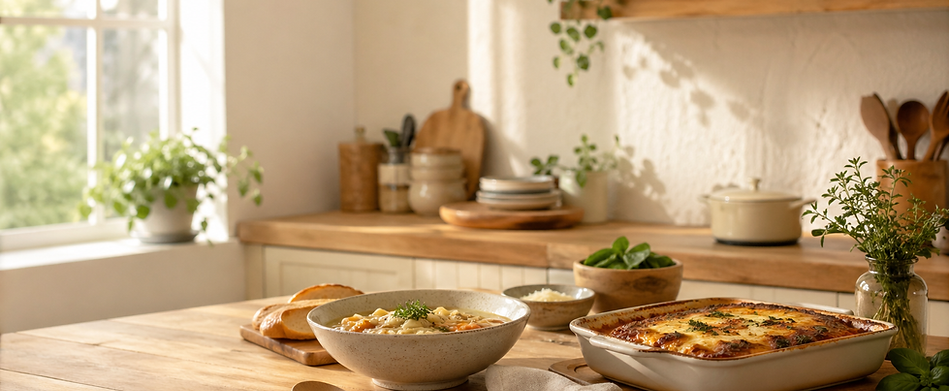
Creamy Spring Pasta Primavera in 30 Minutes
- Rao

- Apr 9
- 8 min read
Updated: Apr 27

Pasta nights are special at our house. Not because they're fancy, but because they're the nights when everything works, the kitchen smells good, the baby is fed and settled, and everyone at the table is actually happy. Spring pasta primavera is my way of making that happen without much effort and without spending much money.
"Primavera" means spring in Italian, and the idea is simple: pasta with whatever fresh spring vegetables you have, coated in a light, creamy sauce. It's one of those recipes that sounds a bit impressive but is honestly straightforward to make. I've made it on Monday evenings after a long day, and it's come out looking like something worth photographing every time.
The sauce here is not heavy. It's not the kind of cream sauce that leaves you feeling like you've eaten too much. It's light enough for a spring evening but cosy enough to feel like proper comfort food, which is exactly what I want from a pasta dinner in April.
This is one of those meals I make when dinner needs to happen fast but still feels homemade. Spring pasta primavera ticks every single box.

Why This Recipe Actually Works for Busy Moms 💛
🍝 One pot for the pasta, one pan for the sauce: and they cook at the same time, so the whole thing is done in 30 minutes
🌿 Flexible vegetables: use whatever spring produce is in the fridge; this recipe adapts without effort
💷 Very budget-friendly: pasta and vegetables are among the most affordable ingredients you can buy
🧄 Light, creamy sauce: not heavy or stodgy, just enough to coat everything beautifully
👶 Kid-friendly: mild, creamy pasta with recognisable vegetables is universally popular
🥕 Easy way to get more vegetables into dinner: they blend into the sauce and the pasta in a way that doesn't feel like a lecture
🍃 Vegetarian by default: satisfying without any meat, which is nice for a lighter spring dinner
🥡 Reheats well: add a small splash of water or milk when reheating to loosen the sauce
Ingredients You'll Need for This Creamy Spring Pasta Primavera
Nothing fancy here, just simple ingredients that work hard.
Main Ingredients:
12 oz (340g) pasta, penne, rigatoni, or farfalle all work well
1 cup asparagus tips (the tops of the spears, cut into 1-inch pieces)
1 cup frozen peas (straight from the freezer is fine)
1 small zucchini, thinly sliced into half moons
1 cup cherry tomatoes, halved
3 garlic cloves, minced
2 tablespoons olive oil or unsalted butter
¾ cup (180ml) heavy cream (or single cream/cooking cream)
½ cup (50g) freshly grated parmesan, plus more to serve
Salt, black pepper, and a pinch of nutmeg
Fresh basil or parsley to finish
½ cup pasta water (saved before draining, important!)
A note on pasta water: This is the secret weapon in any creamy pasta sauce. The starchy water helps the sauce cling to the pasta and creates a silkier texture. Before you drain the pasta, scoop out about half a cup with a mug. Set it aside.
A note on the cream: Heavy cream gives the richest result, but half and half or even full-fat milk works for a lighter sauce. The parmesan helps thicken everything regardless.
Optional Add-Ons & Budget Swaps:
Add a handful of baby spinach at the very end, it wilts instantly and disappears into the sauce
Sliced mushrooms add earthiness and make it more filling
Swap parmesan for pecorino for a slightly saltier, sharper flavour
Toss in rotisserie chicken or cooked shrimp to make it a higher-protein meal
No fresh asparagus? Use frozen asparagus tips or green beans instead
How to Make Creamy Spring Pasta Primavera: Step-by-Step Instructions
Step 1: Bring a large pot of well-salted water to a boil. The water should taste like the sea, don't be shy. This is the only chance to season the pasta from the inside. Cook the pasta according to the packet instructions until just al dente. Before draining, scoop out ½ cup of pasta water. Set aside.
Step 2: While the pasta cooks, heat olive oil or butter in a large, wide pan over medium heat. Add the minced garlic and cook for about 60 seconds, stirring, until fragrant. Don't let it colour.
Step 3: Add the zucchini slices. Cook for 3–4 minutes, stirring occasionally, until just beginning to soften and pick up a little colour at the edges.
Step 4: Add the asparagus tips and cherry tomatoes. Stir gently and cook for 2–3 minutes. The tomatoes will start to blister slightly and release a little juice, which is what you want.

Step 5: Pour in the cream. Add the frozen peas directly into the cream (no need to thaw them). Season with salt, black pepper, and the tiniest pinch of nutmeg, this is subtle, but it rounds the cream sauce beautifully. Stir gently and let it simmer for 2–3 minutes until slightly thickened.
Step 6: Add the drained pasta to the pan. Toss to coat. If the sauce feels too thick, add the reserved pasta water a little at a time, stirring as you go, until the sauce coats every piece of pasta smoothly.
Step 7: Remove from the heat. Stir in the grated parmesan. Taste and adjust salt. Scatter fresh basil or parsley over the top. Serve immediately in warm bowls.
Common Mistakes & How to Avoid Them
Forgetting the pasta water. I say this with love, but this is the step people forget and then wonder why the sauce is stodgy or won't come together. Keep a mug next to the pot so you remember before you drain.
Cooking the garlic too hot and for too long. Garlic burns before you expect it to, and burned garlic has a bitter, acrid flavour that can't be fixed. Medium heat, one minute, constant stirring.
Adding the cream too early. The vegetables need a head start. If you add the cream before the zucchini has had time to soften, you'll end up with raw-tasting vegetables in a thick sauce. Let the veg cook first.
Not salting the pasta water. Bland pasta is one of the most common reasons a pasta dish doesn't taste right. The salt goes in the water, not just in the sauce. Heavily salted boiling water is the baseline.

Helpful Cooking Tips
Add cheese off the heat. Parmesan should go in after you've taken the pan off the heat, or on the very lowest heat setting. If it hits very high heat, it can turn grainy instead of melting smoothly. Off the heat, stirred in gradually, it becomes silky.
Taste at every stage. Spring vegetables are variable, some asparagus is sweeter, some zucchini is more watery. Tasting as you go and adjusting the seasoning makes the difference between a good pasta and a great one.
Grate your own Parmesan. Pre-grated Parmesan often has anti-caking agents that stop it from melting cleanly into a sauce. A block of Parmesan grated on a fine grater gives you the smoothest, most flavourful result.
Don't rinse the pasta. Rinsed pasta loses its starchy coating, which is the very thing that helps the sauce cling. Drain it and add it to the sauce immediately.
Use a wide pan for the sauce. A wide surface area lets the cream reduce quickly and evenly, and gives you room to toss the pasta without it spilling over the edges.
Tips, Swaps & Make-Ahead Options
Easy Ingredient Swaps
Dairy-free: Swap cream for full-fat oat milk or a dairy-free cooking cream. Use a dairy-free parmesan alternative or nutritional yeast instead. The sauce will be slightly thinner but still good.
Gluten-free: Use your preferred gluten-free pasta. The sauce itself is naturally gluten-free.
Higher protein: Add cooked chicken, shrimp, or a can of drained white beans for a more filling meal.
Budget stretch: Use frozen mixed vegetables instead of fresh, peas, sweetcorn, and carrot work beautifully with this sauce.
Make-Ahead, Storage & Reheating
Spring pasta primavera is best eaten immediately, cream sauces can separate, and the pasta absorbs moisture as it sits. That said, leftovers are still perfectly good the next day.
Store in an airtight container in the fridge for up to 2 days. Reheat in a pan over low heat with a splash of water or milk to loosen the sauce, stirring gently. Or microwave with a damp paper towel over the bowl to keep moisture in, stirring halfway through.
This dish doesn't freeze well, the cream sauce doesn't hold up to freezing.
Kid-Friendly Tweaks
If children are picky about visible vegetables, chop them smaller so they blend into the sauce more
Peas and pasta are a classic kid-friendly combination, lean into the sweetness of the peas
Leave out the fresh herbs on children's portions if they're not a fan of green flecks
A little extra parmesan on top always helps with reluctant eaters
Serving Ideas for Real Life
Easy weeknight dinner: Serve in warm bowls with extra parmesan and a small green salad on the side. Simple, complete, satisfying.
Add garlic bread: A few slices of garlicky toasted bread on the side make this feel more like a proper dinner. Perfect for a cosy Friday night.
Vegetarian dinner for guests: This recipe looks and tastes impressive enough to serve to people coming over. Double the quantity, and it scales up effortlessly.
Spring lunchbox: Pack cold leftovers with a drizzle of olive oil and a handful of extra parmesan. A pasta salad that didn't start as a pasta salad is always a good lunch.
With a cosy drink: A sparkling water with lemon and fresh mint alongside, light and spring-like without any effort.
Frequently Asked Questions
Can I make spring pasta primavera ahead of time?
The sauce can be made ahead and refrigerated for up to 2 days. Cook the pasta fresh when you're ready to eat and toss with the reheated sauce, adding pasta water as needed to loosen it.
What pasta shape works best?
Shapes with ridges or hollows, penne, rigatoni, farfalle, fusilli, catch the sauce best. Long pasta like spaghetti works but tends to slip out of the sauce rather than hold it.
Can I make this dairy-free?
Yes. Use a dairy-free cooking cream and nutritional yeast or a dairy-free parmesan alternative. The sauce will be slightly lighter in texture but still delicious.
Is this recipe kid-friendly?
Very, creamy pasta with mild vegetables is one of the most universally accepted meals for children. Leave the herbs off children's portions if needed.
Can I add protein to this recipe?
Absolutely. Grilled chicken, cooked shrimp, or smoked salmon all work beautifully, stirred in at the end. For a vegetarian protein option, stir in a drained can of cannellini beans.
Why is my cream sauce grainy?
This usually happens when cheese is added at very high heat, or when cream is cooked at too high a temperature and separates. Take the pan off the heat before stirring in the parmesan, and keep the cream at a gentle simmer rather than a rolling boil.
More Cozy Recipes You Might Like
One-Pan Lemon Garlic Chicken with Asparagus
Sheet-Pan Honey Garlic Salmon and Spring Vegetables
Budget-Friendly White Bean and Tomato Soup
📋 Quick Recipe Card
Creamy Spring Pasta Primavera
Prep time: 10 minutes
Cook time: 20 minutes
Total time: 30 minutes
Servings: 4
Ingredients: 12 oz pasta, 1 cup asparagus tips, 1 cup frozen peas, 1 small zucchini (sliced), 1 cup cherry tomatoes (halved), 3 garlic cloves (minced), 2 tbsp olive oil, ¾ cup heavy cream, ½ cup grated parmesan, salt, pepper, pinch of nutmeg, fresh basil, ½ cup pasta water
Instructions:
Cook pasta in heavily salted water until al dente. Save ½ cup of pasta water before draining.
In a wide pan, cook garlic in olive oil for 60 seconds. Add zucchini, cook 3–4 minutes. Add asparagus and cherry tomatoes, cook 2–3 minutes.
Pour in cream, add frozen peas, and season with salt, pepper, and nutmeg. Simmer 2–3 minutes.
Toss in drained pasta. Add pasta water as needed. Remove from heat, stir in parmesan.
Top with fresh basil and extra parmesan. Serve immediately.
Pasta night is one of those quiet, reliable things that can turn an ordinary weeknight into something that actually feels like a moment. This spring pasta primavera is cosy and fresh at the same time, light enough for April but satisfying enough that everyone leaves the table happy.
I'd love to know how it goes in your kitchen, drop a comment below or save the recipe for your next pasta night. And if you've got a spring vegetable you want to use up, just toss it in.


Comments