Creamy Pantry Pasta with Spinach and Canned Tomatoes (20-Minute Dinner from Your Cupboard)
- Rao

- May 18
- 8 min read

There are days when going to the grocery store is just not going to happen. The baby needs something, work ran long, or you're just done. Those are the days this creamy pantry pasta was made for.
Everything in this recipe lives in your cupboard or freezer. Canned tomatoes, dried pasta, olive oil, garlic, a splash of cream or cream cheese if you have it, that's the base. Add a handful of spinach if it's in the fridge. Parmesan, if you have it. This dinner is adaptable in a way that feels almost too good.
The creamy pantry pasta comes together in about 20 minutes from a cold pan. The sauce is built from canned tomatoes and a small amount of dairy, which makes it rich without being heavy. It's the kind of sauce that coats the pasta properly, not too thin, not too thick. Real comfort food from whatever's in the back of the cupboard.
I work in customer support and I understand the feeling of getting to the end of the day and having nothing left. This recipe is my answer to that feeling.
This is one of those meals I make when dinner needs to happen fast but still feel homemade.

Why This Recipe Actually Works for Busy Moms 💛
Made entirely from pantry and freezer staples: no shopping required on a tired evening.
Ready in 20 minutes: from cold pan to table, faster than ordering delivery.
One pan for the sauce, one pot for the pasta: minimal cleanup.
The cream cheese makes it rich and silky without needing heavy cream or butter.
Canned tomatoes are one of the most reliable ingredients in any kitchen: sweet, consistent, and affordable.
Spinach wilts into the sauce: so kids often don't notice it's there.
Completely budget-friendly: this dinner costs around $4 to $6 total.
Versatile: You can add whatever protein you have, leftover chicken, canned tuna, or keep it vegetarian.
Ingredients You'll Need for This Creamy Pantry Pasta
Nothing fancy here, just simple ingredients that work hard.
Main Ingredients:
12 oz dried pasta (rigatoni, penne, or any shape you have)
1 can (14 oz) crushed or diced tomatoes
3 tablespoons olive oil
4 garlic cloves, minced
2 tablespoons cream cheese (or 3 tablespoons heavy cream, see notes)
2 large handfuls of fresh or frozen spinach
1/3 cup grated parmesan, plus more for serving
1/2 teaspoon dried oregano
1/2 teaspoon dried basil (or Italian seasoning)
1/4 teaspoon chili flakes (optional, skip for kids)
Salt and black pepper to taste
A ladle of pasta water (reserved before draining, this is important)
Why cream cheese instead of heavy cream: Cream cheese is something most people already have in the fridge, and it lasts longer than heavy cream. A small amount melts into the tomato sauce and makes it silky and slightly tangy. Heavy cream works too and gives a slightly lighter, less tangy result.
Why reserved pasta water matters: Pasta water is starchy and salty, and it's one of the best tools in any pasta dish. It helps the sauce stick to the pasta and adjusts the consistency without watering down the flavor. Don't skip this step.
Optional Add-Ons and Pantry Swaps:
Add a drained can of tuna, flaked, for extra protein (mix in at the end off the heat)
Stir in leftover shredded rotisserie chicken in the last 2 minutes
No cream cheese? A spoonful of ricotta or mascarpone works beautifully
No parmesan? A small handful of any hard cheese you have works, or skip it entirely
Frozen spinach works just as well as fresh, thaw and squeeze out the excess water first
No canned tomatoes? Tomato puree or even jarred pasta sauce works in a pinch, though the flavor profile changes slightly
How to Make Creamy Pantry Pasta: Step-by-Step Instructions
Step 1: Boil the pasta. Bring a large pot of well-salted water to a boil. Cook the pasta according to the package to al dente, it will finish cooking in the sauce, so stop 1 to 2 minutes before the time on the packet. Before draining, scoop out a full ladle of pasta water and set it aside. Drain the pasta.
Step 2: Build the tomato base. While the pasta cooks, heat the olive oil in a wide saucepan over medium heat. Add the garlic and cook for 1 to 2 minutes, stirring constantly, don't let it color. Add the chili flakes if using and stir for 30 seconds.
Step 3: Add the canned tomatoes. Pour in the canned tomatoes. Add the oregano, basil, salt, and pepper. Stir and let it simmer for 5 to 7 minutes, stirring occasionally, until the sauce reduces slightly and darkens in color.
Step 4: Add the cream cheese. Drop the cream cheese into the sauce in small spoonfuls. Stir continuously until it melts fully into the tomatoes and the sauce turns from bright red to a soft, creamy orange. This takes about 2 minutes.
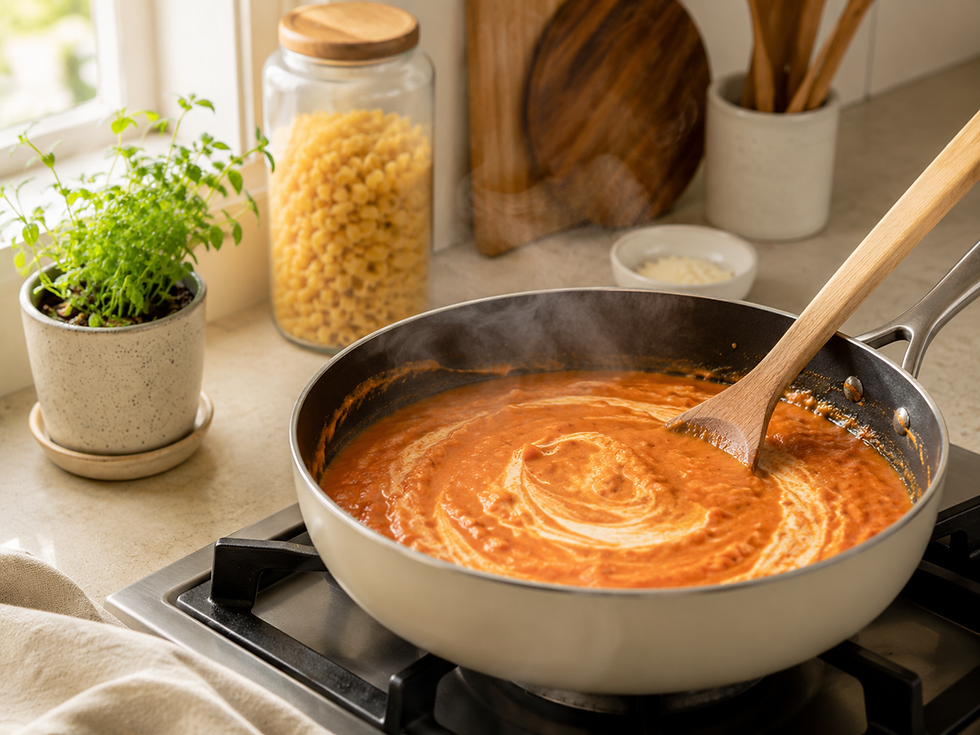
Step 5: Wilt the spinach. Add the spinach to the sauce and stir for 1 to 2 minutes until completely wilted. If using frozen spinach, make sure you've squeezed out the excess water first, or the sauce will thin out.
Step 6: Finish with pasta and pasta water. Add the drained pasta to the sauce and toss to coat. Add the parmesan and a splash of the reserved pasta water. Toss again, the pasta water helps everything cling together and turns the sauce glossy and smooth. Add more pasta water if it looks too thick.
Step 7: Taste and adjust. Taste for salt. A little extra parmesan on top before serving goes a long way. Serve immediately while it's hot, and the sauce is still loose.
Common Mistakes and How to Avoid Them
Forgetting to save pasta water. Once you drain the pasta, that water is gone. Set a reminder, put a mug next to the pot, whatever it takes. Pasta water is the secret to making the sauce properly coat every piece.
Adding the cream cheese too fast over too-high heat. If the pan is too hot when the cream cheese goes in, it can split into greasy pockets rather than melting smoothly. Reduce the heat to medium-low before adding it and stir continuously.
Overcooking the garlic. Garlic burns fast. One minute over medium heat is enough for it to become fragrant. Burned garlic makes the whole sauce taste bitter, and there's no fixing it; you'd have to start over.
Draining the pasta too far ahead. If the pasta sits in the colander while you finish the sauce, it dries out and sticks together. Time your pasta to finish just as the sauce is ready, or toss it with a tiny drizzle of olive oil while you wait.

Helpful Cooking Tips
Use the full amount of olive oil. It's tempting to reduce it, but olive oil is part of the flavor base here. It gives the sauce body and richness before the cream cheese even goes in.
Let the canned tomatoes reduce properly. Those 5 to 7 minutes of simmering are what take the raw edge off the canned tomatoes and concentrate the flavor. A rushed sauce will taste flat and slightly acidic. Give it time.
Finish the pasta in the sauce. Don't just ladle the sauce over drained pasta. Add the pasta to the pan and let it finish cooking in the sauce for 1 to 2 minutes. The pasta absorbs some of the sauce, and the whole dish comes together as one rather than pasta with sauce on top.
A pinch of sugar fixes acidity. If your canned tomatoes taste sharp or acidic, a small pinch of sugar stirred into the sauce softens it. This is especially common with diced tomatoes versus crushed.
Keep the heat low when adding cream cheese. Medium-low heat is your friend. It gives you time to stir and melt without rushing, which results in a silky sauce rather than a broken one.
Tips, Swaps, and Make-Ahead Options
Easy Ingredient Swaps
Any dried pasta shape works; smaller shapes like rigatoni or penne catch the sauce well
For a dairy-free version, skip the cream cheese and use 2 tablespoons of cashew cream or just extra olive oil with a little pasta water
Frozen spinach works just as well as fresh. Thaw completely, and squeeze out all the water before adding
For gluten-free, use your preferred gluten-free pasta and follow the same method
Add a protein: canned tuna, leftover chicken, or a soft-boiled egg on top, all work well
Make-Ahead, Storage, and Reheating
Fridge: Store leftovers in an airtight container for up to 3 days. The pasta will absorb more sauce as it sits.
Freezer: The sauce (without the pasta) freezes well for up to 2 months. Freeze in portions and cook fresh pasta when you need it.
Reheating: Add a splash of water or broth before reheating on the stovetop over medium heat, stirring to loosen. Microwave works well too, add a splash of water, cover, and heat in 90-second intervals.
Kid-Friendly Tweaks
Skip the chili flakes entirely for kids
The spinach wilts and hides in the sauce; most kids don't notice it
Use a mild cheese rather than sharp Parmesan if your kids are cheese-sensitive
A little extra cream cheese in the sauce makes it sweeter and creamier, which kids tend to love
Serving Ideas for Real Life
Straight from the pot into a bowl: this is a genuine solo dinner situation, and it's completely acceptable.
With garlic bread: even just a slice of bread toasted in the pan with olive oil and garlic.
With a simple salad: arugula, olive oil, and parmesan takes 2 minutes.
For a dinner party in a pinch: serve it in the pan on the table with extra parmesan and a good loaf of bread. It looks casual and tastes considered.
For a spring evening: pair with a sparkling water with lemon and call it a proper dinner. It is.
Frequently Asked Questions
Can I make this ahead of time?
The sauce can be made 2 days ahead and kept in the fridge. Cook fresh pasta on the night and combine. Add a splash of pasta water to bring the sauce back to life.
Is this recipe vegetarian?
Yes. As written, it's fully vegetarian. Check the parmesan, traditional parmesan contains animal rennet, so swap for a vegetarian hard cheese if needed.
Can I use fresh tomatoes instead of canned?
You can, but they need more time to cook down, and the results are less consistent since the sugar and water content of fresh tomatoes varies. Canned tomatoes are actually better for this sauce.
What pasta shape works best?
Rigatoni, penne, fusilli, or any shape with ridges or a tube holds the sauce inside them. Long pasta like spaghetti works too, but the sauce-to-pasta ratio feels different.
Can I add protein to this creamy pantry pasta?
Yes, canned tuna flaked in at the end, leftover shredded chicken stirred through, or even a couple of soft-boiled eggs on top all work well without changing the rest of the recipe.
Can I freeze the finished pasta?
The pasta itself doesn't freeze well once combined with the sauce; the texture becomes soft. Freeze just the sauce and cook fresh pasta each time.
More Cozy Recipes You Might Like
📋 Quick Recipe Card
Creamy Pantry Pasta with Spinach and Canned Tomatoes Prep time: 5 minutes Cook time: 20 minutes Servings: 4
Ingredients:
12 oz dried pasta
1 can (14 oz) crushed tomatoes
3 tablespoons olive oil
4 garlic cloves, minced
2 tablespoons cream cheese
2 handfuls of fresh or frozen spinach
1/3 cup grated parmesan
Oregano, basil, salt, pepper
Reserved pasta water
Steps:
Boil pasta to al dente. Reserve 1 ladle of pasta water before draining.
Sauté garlic in olive oil for 1 to 2 minutes. Add canned tomatoes and herbs. Simmer 5 to 7 minutes.
Add cream cheese in small spoonfuls. Stir on medium-low until melted, and the sauce turns creamy.
Wilt spinach into the sauce.
Add drained pasta, parmesan, and a splash of pasta water. Toss well. Taste and serve.
This pasta exists because sometimes dinner has to come from whatever is already there. No shopping, no planning, no energy for anything complicated. And the result is genuinely one of the most satisfying things I make.
It works. I promise.
Bookmark this one for the next time the fridge is bare, and you need something warm and real on the table fast. And if you make it, tell me what you added. The base recipe is good, but the add-ins people come up with are always better than what I'd planned.
See you in the next one ^^


Comments